


Introduction
There are seven muscles that you need to know about to avoid low back injury and promote better low back health. In this article we’re going to learn from a Northfield and Linwood Chiropractor what the seven muscles are, how they work, and how to stretch them.
As a chiropractor Northfield NJ and chiropractor Linwood NJ we teach that a consistent stretching routine that incorporates these seven muscles will allow you to be more active and recover faster. Promoting better health to your muscles creates more length, flexibility, and strength. These characteristics in a muscle prevent injury, help them adapt better to more vigorous and longer timed activities, navigate missteps, and make them better able to absorb tension without losing the integrity or health of the muscle.
Overall this helps to maintain the health of the muscle and the muscles ability to be a shock absorber for the spine, discs, and nerves.
The 7 Muscles are:
- Lumbar Paraspinal Muscles
- Abdominal and Oblique Muscles
- Piriformis
- Hamstrings
- Iliotibial Band
- Psoas Muscle
- Quadriceps
There are videos on how to stretch these muscles after a brief description of each muscle.
The Lumbar Paraspinal Muscles

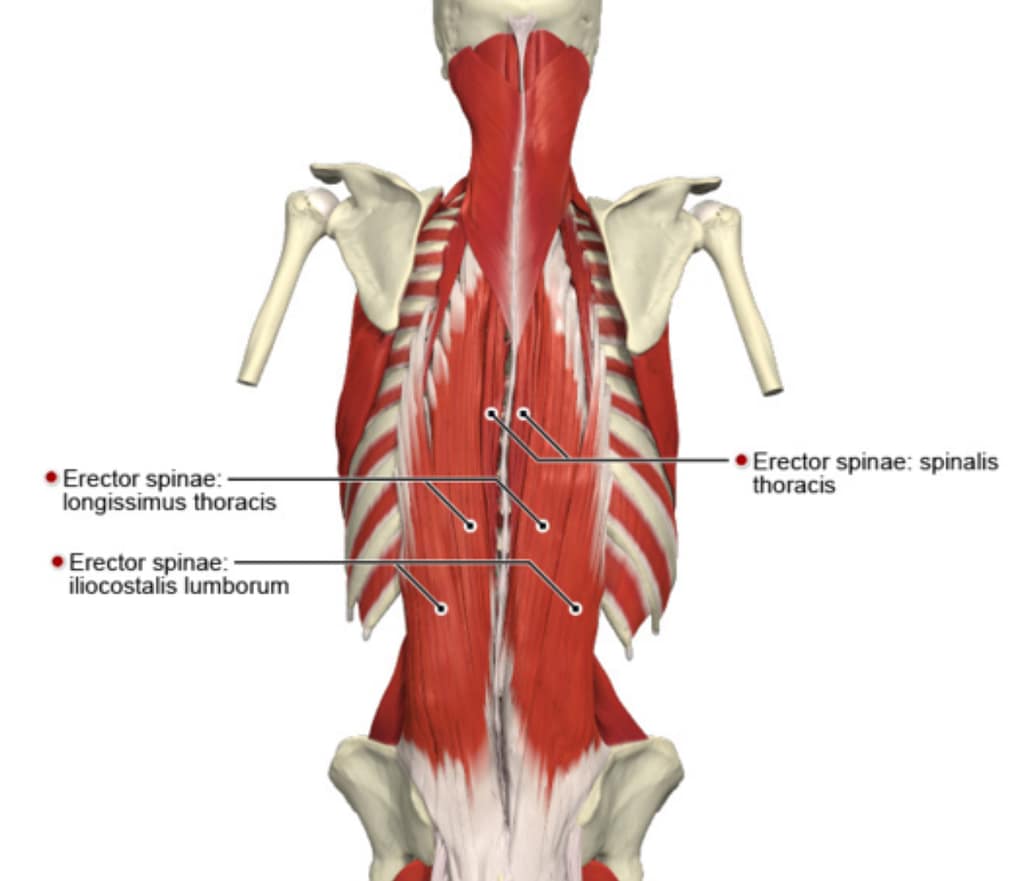
The job of the lumbar paraspinal muscles are extension, lateral bending, rotation of the upper body, and protection of the spine.
The muscles attach from the crest of your ilium or pelvis up to multiple attachment points along the spine and ribs.
When these muscles are overworked and over tightened they greatly impact your posture and can be a main contributor to low back pain and hip pain.
There are 6 directions to stretch these muscles: flexion, extension, right and left side bending, right and left rotation.
Additional Muscle Benefits: All 5 layers of back muscles
Abdominal and Oblique Muscles

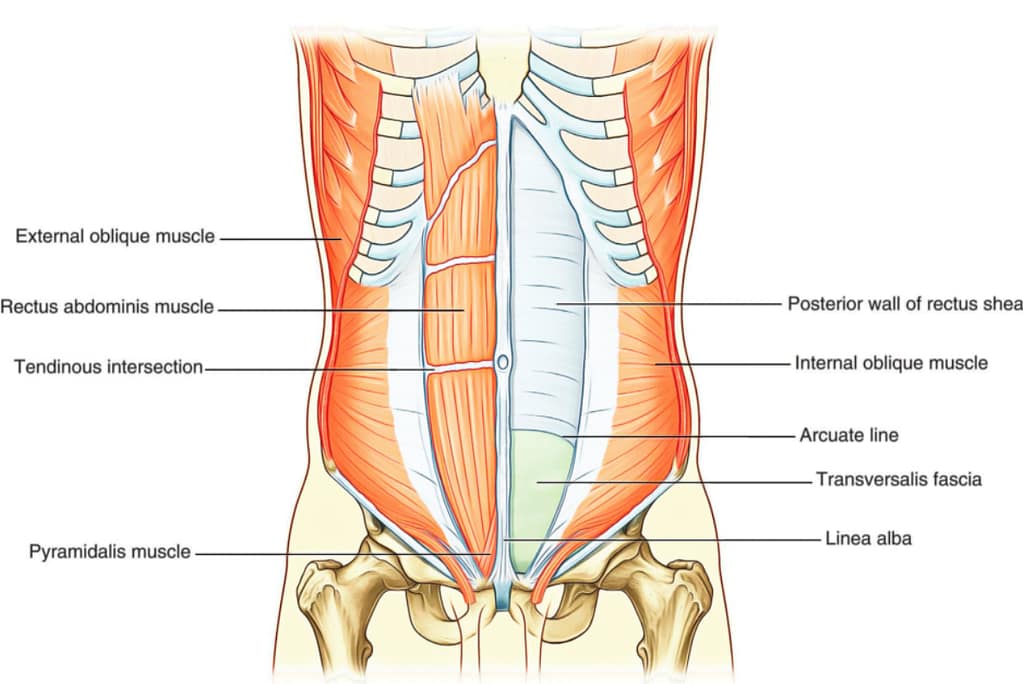
The job of the abdominal and oblique muscles are flexion, lateral bending, rotation of the upper body, and protection of the spine.
These muscle attach to the front of your pelvis up to your ribs and sternum
When these muscles become overtightened, they can pull your chest down, disrupting your posture, and ability to stand up straight leading to low back pain.
There are 6 directions to stretch these muscles: flexion, extension, right and left side bending, right and left rotation.
Piriformis

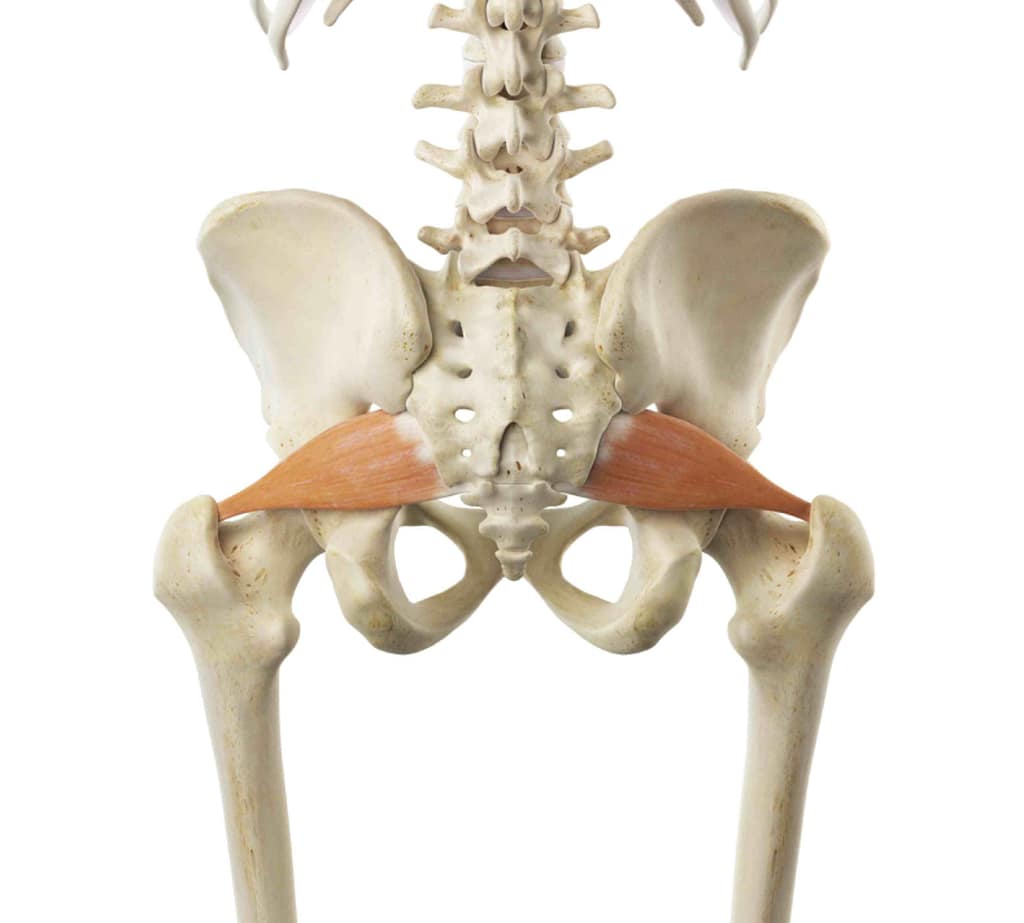
The job of the piriformis muscles is to turn the hip out and move the leg away from the center of the body.
It is attached to your sacrum and runs out to your hip. This muscle is used all the time and can get tight for people who sit a lot or stand and walk a lot. So practically everyone could have tight piriformis muscles contributing to low back and hip tightness or pain.
The piriformis muscle responds well to stretching and at home muscle therapy tools.
Additional Muscle Benefits: Gluts and Hip Extensors
Hamstrings

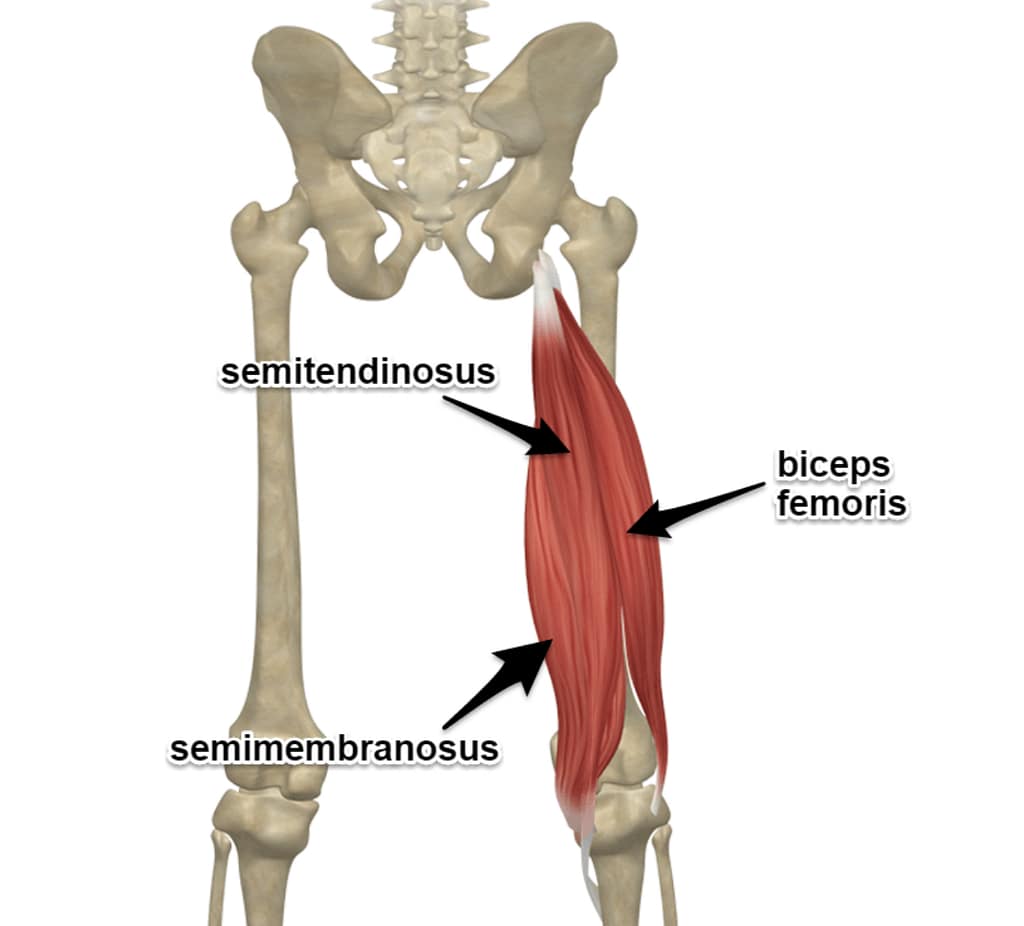
The job of the hamstring muscles is flexion of the lower leg. This is what brings your heels back as you walk or run.
The hamstrings are attached to the bottom of your pelvis, ischial tuberosities, to multiple attachment points on your knee.
This muscle can become tight from putting a lot of work on the muscle or the muscles staying flexed or shorten for long periods of time.
Iliotibial Band or Tendon

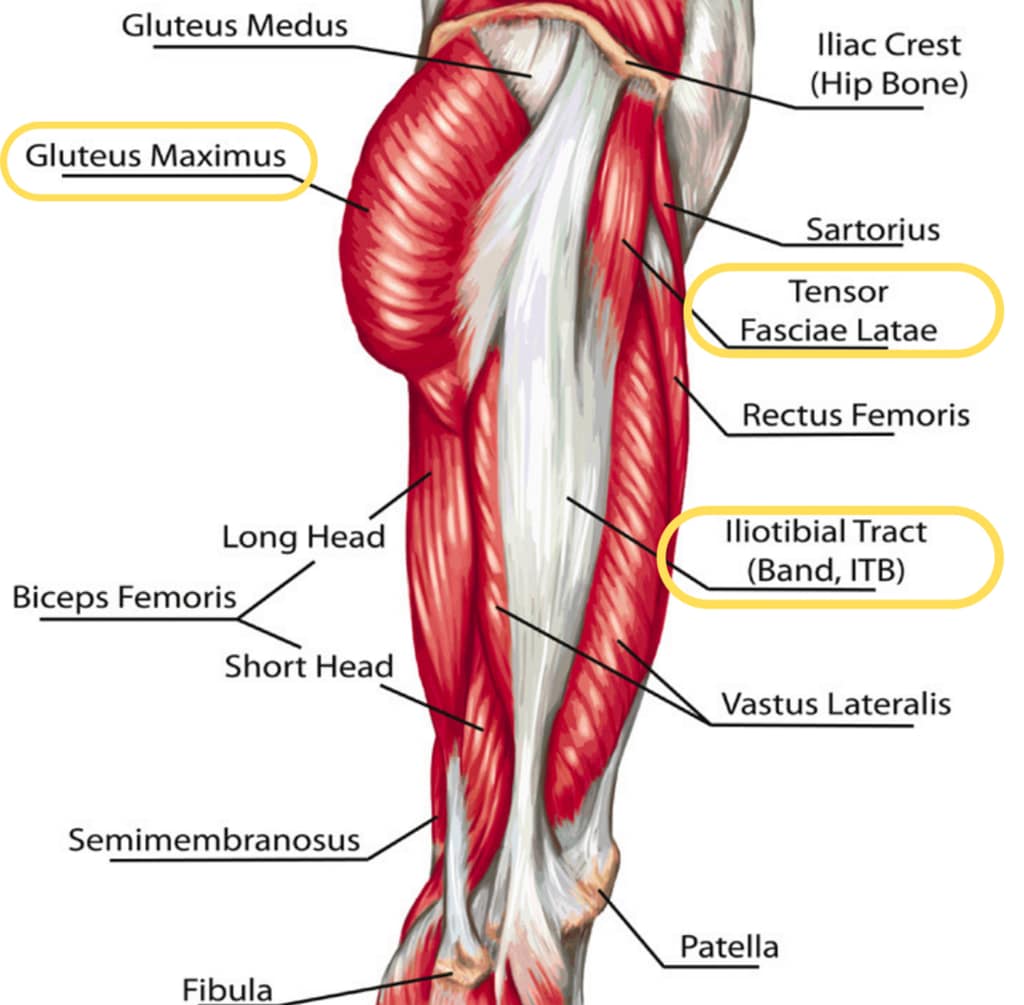
The job of the iliotibial band is to stabilize the hip and knee joint as they go through their motions.
The iliotibial band is actually a tendon that attaches to the pelvis above the hip and below the knee joint of the lower leg.
This tendon can become inflamed or tight, causing hip, low back pain, and even knee pain.
The nature of a tendon makes the iliotibial band very hard to stretch, so you need to do specific stretches and utilize at home muscle therapy tools to take tension off the iliotibial band.
Psoas Muscle

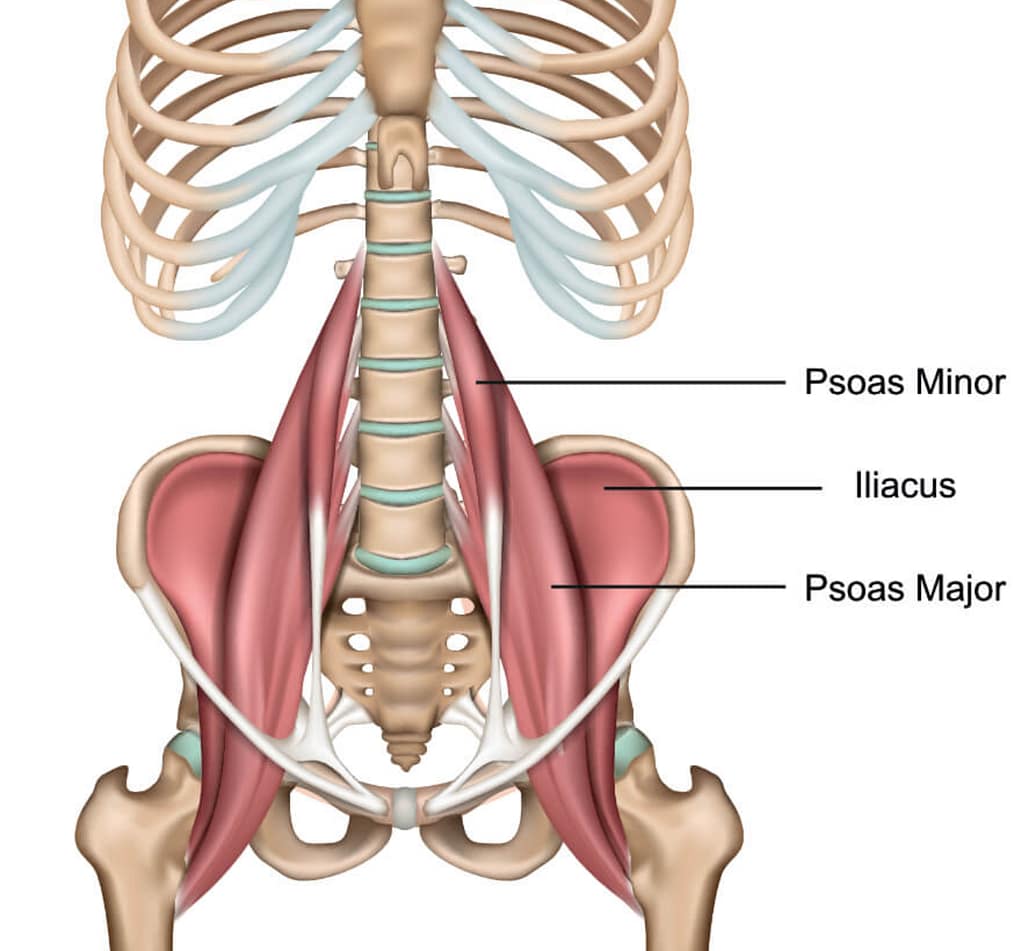
The job of the psoas muscle is to raise the legs towards your chest, or your upper body towards your legs, while protecting the spine.
The psoas muscle attaches to your upper thigh, femur bone and the bones and discs of the spine making this muscle very unique.
The psoas muscle can become tight and shortened when we spend a lot of time sitting. When this muscle is too tight and we stand up as the psoas muscle lengthens, it can cause back or hip pain.
Additional Muscle Benefits: Hip Flexors
Quadriceps

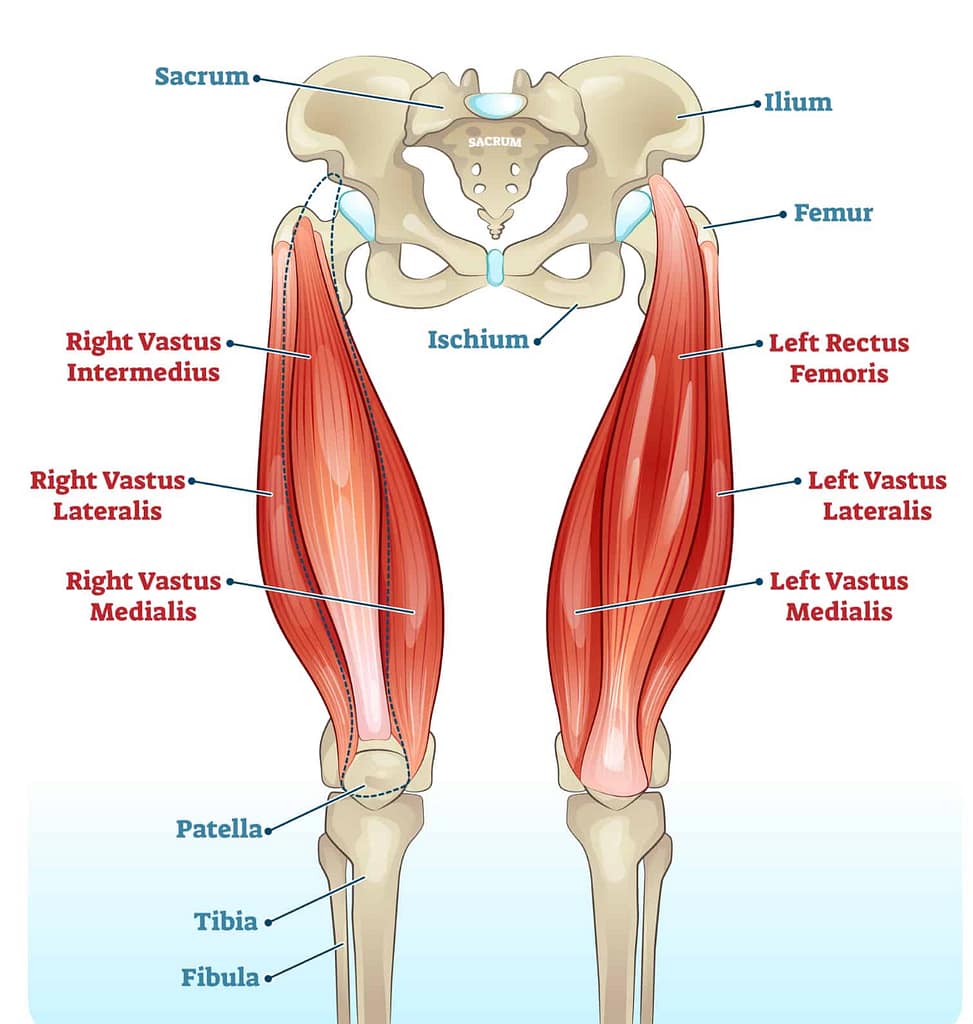
The job of the quadriceps muscle is to extend your lower leg, which is important for things like standing up and sitting down.
The quadriceps is made up of four separate muscles which attach from your hip and femur to your patella tendon, and into your lower leg.
Because these muscles are involved in standing up and sitting down, they receive a lot of work throughout each and every day. They are muscles that are rarely stretched, when compared to the hamstrings. These muscles, along with many of the other muscles mentioned, contribute to the strength and health of the low back, hips, and spine.
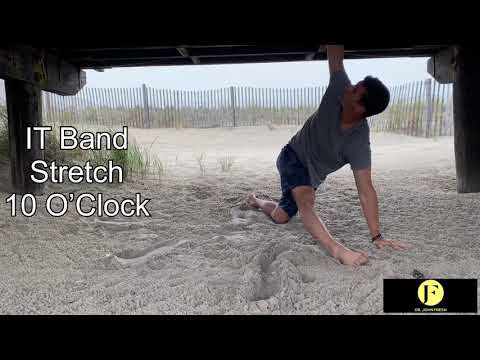
Stretch Videos

How to Design the Right Program and Routine
If you’re wondering which muscle or muscles could be causing my low back or hip problem, which order or which stretches would be best to correct these imbalances, a Northfield and Linwood chiropractor New Jersey can help design the right program for you.
Whatever approach you decide to take, make sure you give yourself the proper amount of time and consistency required to receive the health benefits. Depending on how long you’ve had this problem or how advanced the problem has become, it could take weeks of stretching two times a day to experience the full benefits.
Once you start to receive the benefits, you still need to make sure that you are stretching and taking stress off as fast or faster than you are putting it on during your workday or active lifestyle. Remember, this is an ongoing process to promote muscle health and flexibility, because as you go about your normal everyday activities, stress is accumulating in your muscles.
The more flexible your muscles are, the more work they’re able to do, the better they’ll be able to prevent injury, and the better they’re able to maintain balance, support, and protection to your bones and joints.
My book, The Health Equation has a ton of great information about time tested ways to be healthy, including a great section on the muscles and joints of your core, which is the epicenter of health for your low back and hips.
As a Northfield chiropractor and Linwood chiropractor we can also analyze your spine, discs, and nerves to make sure that they are not contributing to unnecessary tension or imbalance to your muscles.
Conclusion
When you understand these seven muscles, how they work, what they attach to, common problems that can occur when they become overtightened and out of balance, and most importantly how to restore flexibility and health to them you will notice that many low back and hip problems will start to improve.
If you continue to stretch these muscles over time, you may even notice an improvement to your mobility, ability to perform your favorite activities, reduction in pain and setbacks, and improved recovery time.
What you can learn about your body from pain and tightness, with a little know-how, can be used as an opportunity to improve your health.
If you have any questions you can ask your Northfield chiropractor, Linwood chiropractor. We can help you learn which muscles are causing your low back or hip pain and what stretches will help you find relief.
Call Fresh Start Chiropractic at 609-926-8900.
If you need help with anything, you can always leave a comment in the section below or email me at drjohnfresh@gmail.com.
My book, The Health Equation has tons of great information about getting and staying healthy, active, and young.
The Health Equation has The Health Equation book, Winning Moments and Health is practically Free all in that ONE book. Winning Moments is how you turn everything you do in a day that may be causing your body stress, breaking you down and taking withdrawals from your health account and learning how to turn those things into positive things that improve your health and deposit into your health account each day. So that book is available to you on Amazon. I’ll put the link below.
Link: The Health Equation
If you enjoy this type of information you can Sign Up for Our Blog and Share it with others. When you Sign up You will receive a FREE Video Series (4 Days to a Better Back), an additional Webinar (Simple Ways to Solve Neck and Back Problems), the first Chapter of My Book: The Health Equation, and you can also Request a FREE 15 Minute Call…ALL AT DRJOHNFRESH.COM
Live Your Best Life


John
Dr. John Fresh
Simple Ways to Stay Young
Link to FREE Webinar:
Simple Ways to Solve Neck and Back Problems “PAIN”
Links to Books:
-
Chiropractic Care for Low Back and Sciatic Pain in Linwood and Northfield, NJ
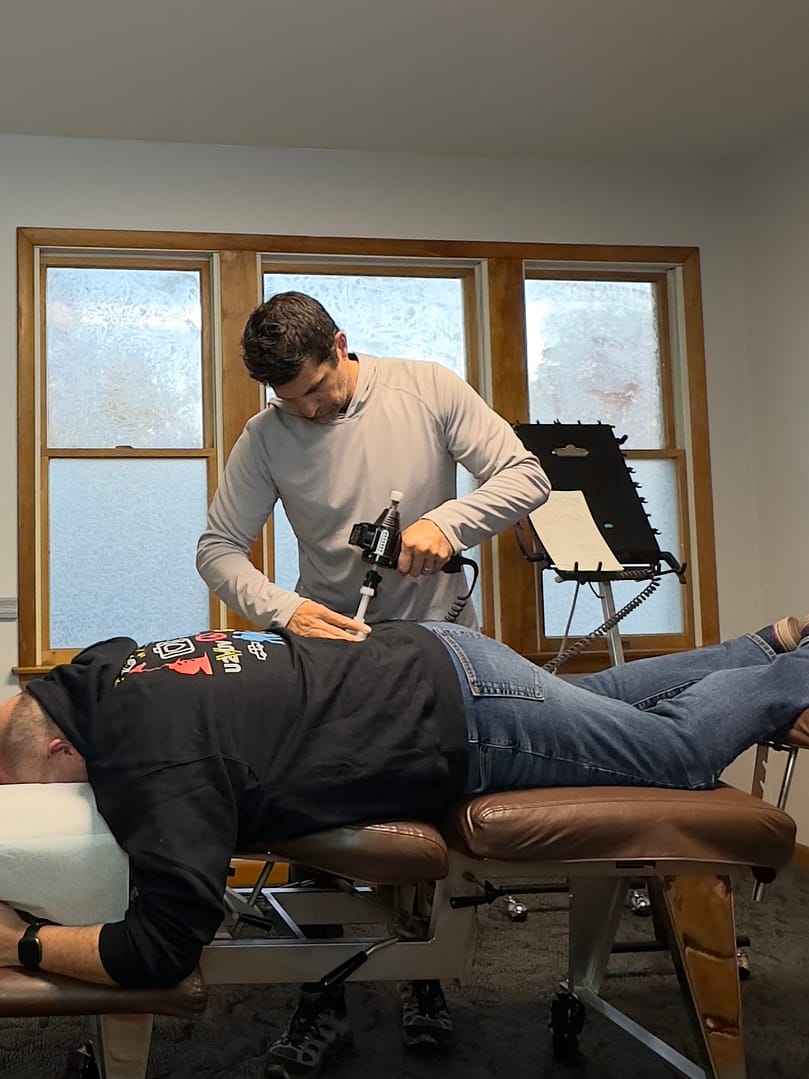
Low back pain and sciatica are two of the most common reasons people search for a chiropractor near me. In communities like Linwood NJ and Northfield NJ, many adults juggle long work hours, commuting, family responsibilities, and limited time for self-care. Chiropractic care offers a safe, movement-focused approach to support relief, long-term results, and a…
-
How Chiropractic Care Helps Heal, Strengthen & Protect Your Low Back at Any Stage
If your back is stiff, sore, tired, or just not working the way it used to—it’s not just part of getting older. It’s a sign. For women in their 40s, 50s, 60s, and beyond, back problems can sneak up slowly or show up suddenly—and either way, they can stop you from living the way you…
-
The Vital Role of Chiropractic Care in Protecting and Enhancing the Human Body
Chiropractic care is far more than just a solution for back pain. At its core, it is a health discipline focused on optimizing the function of the nervous system, which is the master control system of the human body. From the moment life begins, the nervous system is the first structure formed in the developing…


